
Find a fence contractor in New Jersey, county by county
271 fence companies across 20 New Jersey counties. See which ones state their state HIC registration, what each one installs — vinyl, aluminum, wood, chain link, pool fence — and how to reach them. Free, no sign-up, no sales calls.
- NJ Home Improvement Contractor registration statements recorded
- Materials and services confirmed on each company’s website
- Nobody pays to be at the top
Fence contractors by county
Pick your county. Each page lists the fence companies based there, the towns they work from, what they install, and which ones state their HIC registration.


What kind of fence?
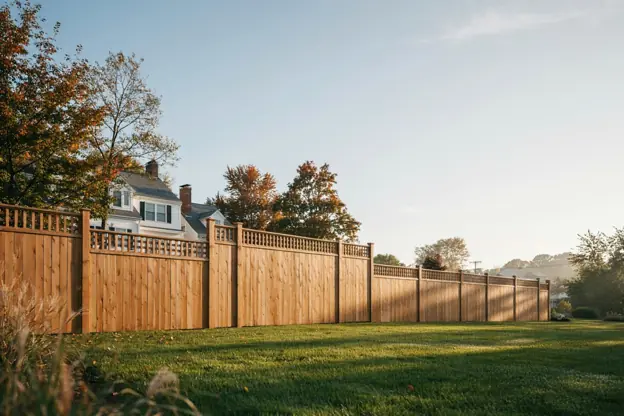
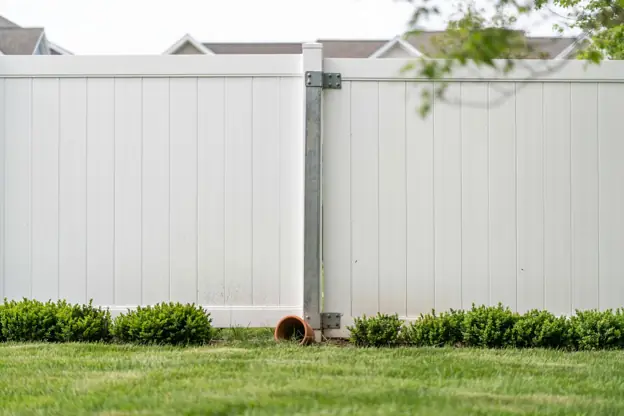
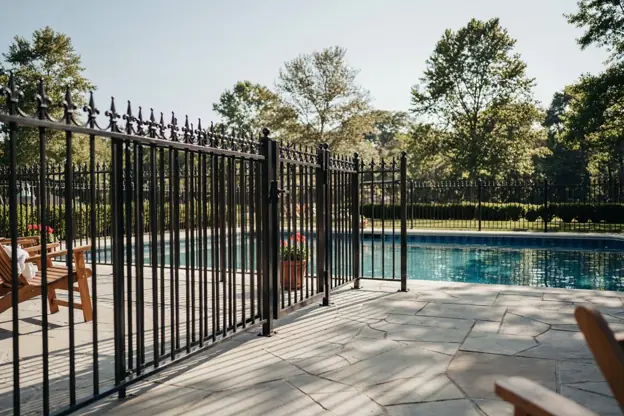
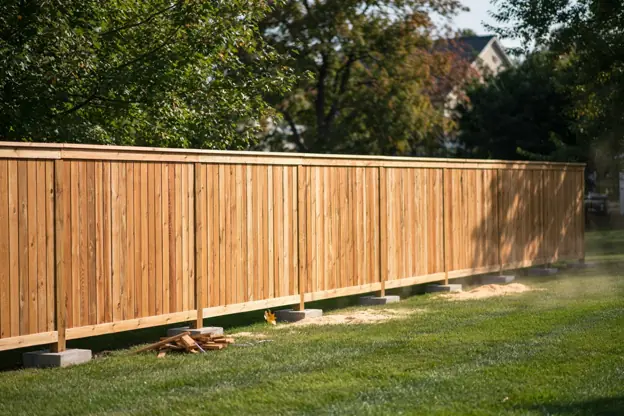
Featured New Jersey fence contractors
Sponsored3 featured spots available
Put your company at the top for all of New JerseyWhat we check before a company is listed here
The company’s own website
We read each site and record fifteen yes-or-no facts — vinyl, aluminum, wood, chain link, iron, privacy, pool fence, gates, railings, repair, permits, financing and more. If the site doesn’t say, we say “not confirmed”.
The HIC registration statement
New Jersey requires every home improvement contractor to register with the Division of Consumer Affairs and show the 13VH number. We record whether the company’s site states it, and link you to the state lookup to confirm it.
Nothing else
No star ratings copied from other sites, no paid positions in the list, no AI-generated project photos. Sponsored cards sit in a labeled band, and the list order never changes for money.
Records last checked October 15, 2026. Read the full method.
Every New Jersey county with fence contractors
Before you hire a New Jersey fence contractor
FencePick is a directory of fence contractors in New Jersey, organized by county and published by Local Guide Press. Every listing is pulled from public records and the contractor's own website. Nothing here is a review, and no company pays to be listed or ranked. I'm Jenna Payne, the research editor, and my job is to show what I could confirm and say plainly what I could not.
Use the county pages to find contractors who work near you, then open a listing to see what their website states, whether an HIC registration number is given and the date I last checked. The sections below explain the state's contractor registration, how to read the listing labels, what holds up in New Jersey weather, and what the law requires in a written contract. If a listing is wrong, email editor@localguidepress.com and I'll fix it, usually within five business days.
The New Jersey HIC registration, and how to check it
Every fence contractor in New Jersey must be registered as a home improvement contractor with the Division of Consumer Affairs. The regulation's definition of home improvement names fences outright, per N.J.A.C. 13:45A-17.2. Registration requires a commercial general liability policy of at least $500,000 per occurrence under 13:45A-17.12. The registration number, which begins with 13VH, must appear on every contract, advertisement and truck under 13:45A-17.11. There is no trade exam, so registration is a floor, not a skill rating. You can check a number in about a minute. Open the Division's License Verification System, choose Business Search, and enter the company name or 13VH number. Confirm the status is active and the registered name matches the name on your contract. Trade names and registered entities often differ. I re-check listed numbers on a set schedule and print the date on each listing, as of October 2026.
What the listing labels mean
Each listing carries a small set of labels. They are facts with dates, not endorsements. HIC number stated means the contractor's own website states a New Jersey home improvement contractor registration number. I record the claim as the site shows it. I do not vouch for it, so verify the number yourself on the state verification site before signing. Details confirmed means the service facts on the listing, such as materials or counties served, were read from the contractor's own website on the date shown. Verified by the business means someone at the company confirmed the listing from a company email address. Premium marks a paid enhanced profile; it never changes where a contractor appears in the list. A band marked Sponsored is paid placement. There are no star ratings on this site, and I do not copy ratings from other platforms.
Vinyl, aluminum, wood and chain link in New Jersey weather
New Jersey fences deal with three things: freeze-thaw, coastal salt air and snow. Freeze-thaw heaves shallow posts of any material, so the post depth on the quote matters more than the panel. Posts should reach below frost depth, which contractors here usually treat as 30 to 36 inches or more. Aluminum does not rust and suits the shore, but open pickets give no privacy. Vinyl does not rot and is the common shore privacy choice; thin-wall panels crack in deep cold and catch wind, so ask for the wall thickness. Pressure-treated pine and cedar remain the privacy standard inland and need staining every few years. Chain link is the most economical and lets wind through. Snow load mostly stresses gates and horizontal boards. For a pool barrier, aluminum pickets meet the four-inch opening rule in a standard spacing. None of this is a brand recommendation. I do not test products.
Permits, height limits, property lines and pool barriers
The state code exempts fences of six feet or less from a construction permit, but not pool barriers, under N.J.A.C. 5:23-2.14. Nearly every town still requires a zoning permit for any fence. The common pattern is four feet in front and six feet along the sides and rear, as in Wayne. Clifton steps from four to six feet and requires the finished side to face out. Toms River allows 30 inches in front and 72 inches behind the building line. Corner lots usually count as two front yards. Most applications want a survey, and only a licensed surveyor can mark your line. Before any post hole, call 811. New Jersey One Call requires three business days' notice. Pools deeper than 24 inches need a 48-inch barrier with self-closing, self-latching gates that swing outward, under the pool code New Jersey adopts through the UCC, per the DCA Construction Code Communicator. I have now read more fence ordinances than anyone should.
How to compare bids and what the contract must say
Get three written quotes for the same run, height, material and gate count. Ask each to break out post depth, rail count, wall thickness, old-fence removal and who pulls the permit. New Jersey law sets what the signed contract must contain. Under N.J.A.C. 13:45A-16.2, any home improvement contract over $500 must be in writing and signed, and must state the contractor's legal name and address, the work and principal materials, the total price including finance charges, the start and completion dates, and any warranty. Changes must be in writing too. The Contractors' Registration Act adds the 13VH number, a copy of the liability insurance certificate and a bold notice that you may cancel before midnight of the third business day after receiving a signed copy. It must also carry the Division of Consumer Affairs number, 1-888-656-6225. Tie payments to delivery and completion, not to the signing date.
Timeline, lead times and the best season
The build itself is short. A typical residential fence goes up in one to three days once materials arrive, with posts set first and panels hung after the concrete cures. The waiting is in front of that. A zoning permit can take days or weeks depending on the town. Utility mark-outs take three business days after the 811 call. Custom vinyl, aluminum and ornamental steel are factory orders and lead times stretch in spring, when every contractor's calendar fills. Late summer and fall are usually easier to book and the ground is workable. Winter installs happen in mild spells, but frozen ground slows digging and concrete needs cold protection. Pool barriers add a final inspection before the pool can be used, so plan backward from opening day. The contract must state a start date and completion period, which is your best tool if a job slips.
What I check and what I cannot
I pull each listed business from public records, read its website so the service details are its own, note whether the site states a 13VH number, and record the date. I do not confirm the number with the state on your behalf, which is why the label says "stated" and not "verified." I do not visit job sites, speak to customers or inspect fences. I cannot tell you whether a crew will show up on the date in the contract or set posts to the depth they quoted. Prices are deliberately absent because they go stale fast and change by yard. Where a fact depends on an ordinance or regulation that can change, I date it. If you find an error, email editor@localguidepress.com. Corrections are posted with the date they were made.
New Jersey fence questions, answered
How much does a fence cost in New Jersey?
This directory does not publish price tables. Fence pricing in New Jersey moves with lumber, vinyl and steel prices, labor demand and the yard itself, so any figure printed here would go stale fast. What the editor can say is what sets the price. Linear footage is the base. Material comes next: chain link, wood, vinyl, aluminum and steel sit on a rising scale. Height adds post length, more concrete and more panel. Gates, slopes, rock, tree roots and tight access add labor. Removing an old fence is a separate line. Fence work is almost always bid as a fixed price for a measured run, not by the hour. The clearest way to learn current pricing is three written quotes for the same layout and material.
Can I legally build my own fence in New Jersey?
Yes. A homeowner may build a fence on their own property. The permit rules still apply. Most New Jersey towns require a zoning permit for any fence, and the state construction code requires a construction permit for a fence over six feet or any pool barrier. The homeowner must also call 811 before digging and wait three business days for utility mark-outs. Doing it yourself saves labor but not materials, concrete or tool rental. Chain link and panelized vinyl are the most forgiving for a first-timer. Post alignment, depth and plumb are where most self-built fences go wrong. Anyone paid to build the fence for you must be registered as a home improvement contractor with the state.
Does a fence add value to a home, and does it raise property taxes?
This directory does not track resale data and cannot say which fence adds the most value. Buyers with children or dogs often treat a sound fence as a plus, and a failing one as a repair bill. On taxes, New Jersey assessors value the whole property. A fence is a small item next to a kitchen or an addition, and the editor could not find a state rule that singles fences out. Any change in assessment is a question for the local tax assessor. A fence on a primary home is not deductible on a federal return in the ordinary case. It may count toward the home's cost basis at sale. Ask a tax preparer, not a fence contractor, about that.
Does homeowners insurance cover a fence?
Most homeowners policies treat a fence as an "other structure" with its own coverage limit, often a percentage of the dwelling amount. Damage from a named peril such as wind, a fallen tree or a vehicle is usually covered, less the deductible. Rot, insects, settling and ordinary wear are usually excluded. A fence does not normally lower a premium, though a code-compliant pool barrier can matter for liability coverage. The editor cannot read your policy and this directory does not give insurance advice. Photograph the damage, keep the contractor's written estimate and read the declarations page before filing. A small claim near the deductible may not be worth the record.
Do you need a permit to build a fence in New Jersey?
Usually yes, from the town. New Jersey's Uniform Construction Code exempts fences six feet or less from a state construction permit, but that exemption does not apply to pool barriers, and it does not override local zoning. Most municipalities require a zoning permit for any fence so the zoning officer can check height, location and style. Wayne, Clifton and Toms River all require one as of October 2026. A fence over six feet needs both a zoning permit and a construction permit. Pool barriers always need a construction permit and inspection. The application normally asks for a survey or plot plan showing the fence line. Check the town's zoning office before the posts are ordered.
What is the maximum fence height allowed in New Jersey?
There is no single state number. Height is set by each town's zoning ordinance, and the common pattern is four feet in the front yard and six feet along the sides and rear. Wayne uses exactly that. Clifton steps from four to five to six feet. Toms River allows 30 inches in front and 72 inches behind the building line. Anything over six feet also needs a state construction permit under the Uniform Construction Code. An eight, ten or twelve-foot fence in a residential zone would need a variance in most towns, and a neighbor's seven-foot fence is a question for the zoning officer. For privacy, six feet blocks sightlines from a standing adult at ground level. More height mostly blocks second-floor windows and costs more in wind load.
Does the finished side of a fence have to face the neighbor?
There is no statewide rule, but many New Jersey towns put one in the zoning ordinance. Clifton requires the finished side to face the neighboring property or the street in every district. Wayne's zoning FAQ says the decorative side faces out. Where the ordinance is silent, the owner can choose. The practical reasons for posts and rails facing in are that the smooth side is harder to climb and the fence looks finished from the street. Most contractors default to posts in. If you want the rails on your side for a hanging garden or privacy screen, say so before the quote and check the ordinance first. Good-neighbor styles put pickets on both sides and avoid the question.
Can a fence be built right on the property line in New Jersey?
It depends on the town. Many New Jersey ordinances allow a fence on the line or within a few inches of it. Wayne's zoning FAQ says fences can be placed on the property line. The Appellate Division noted a four-inch township setback in a 2025 Gloucester County case. Other towns require a small setback so the owner can maintain the outside face without trespassing. A fence on the line must sit on your side of it, which is why the survey matters. A fence even an inch over the line is an encroachment the neighbor can demand be moved. Corner lots and street-side lines often carry extra setbacks for sight distance. The zoning officer can give the exact number for your lot.
Will a fence company find my property lines?
Not legally, and most will not try. Only a New Jersey licensed land surveyor can locate and mark a boundary. A fence crew will set posts where the owner or the survey pins show the line, and the contract usually puts that responsibility on the owner. Pulling a tape from a corner pin is a guess, not a survey. If pins are missing or the fence runs the full length of the lot, a surveyor's stake-out is cheap insurance against a dispute. Zoning applications in many towns require a copy of the survey anyway. For a tree on the line, the fence can jog around it, but the trunk belongs to both owners and neither should cut roots or bark without talking first.
Do I have to call 811 before digging fence posts in New Jersey?
Yes. New Jersey's Underground Facility Protection Act, the One Call Law, requires anyone digging to call 811 or 1-800-272-1000 before starting. New Jersey One Call lists fences and mailbox posts among the homeowner jobs that need a mark-out. The caller must wait three full business days for utilities to mark their lines and must start within ten days of the call. Hand-digging near marked lines is required. A fence contractor normally places the call, but the homeowner should confirm the ticket number before the crew arrives. Hitting a gas line with a post-hole digger is a real risk in older neighborhoods. The mark-out paint on the lawn washes off within a few weeks.